
Built on quality. Backed by community.
Earning a graduate degree online with Oregon State University will provide the rigorous, close-knit learning experiences that you should expect from a master’s or doctoral program. Build connections with world-class faculty and a global network of students who bring a variety of lived experiences to the online classroom. And gain the advanced skills you need to go out there and make an impact.










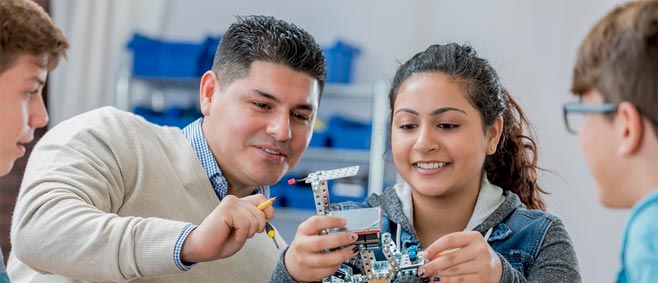












NASA is constantly trying to get the best and the brightest, which is why I got my master’s to remain competitive with my peers. My confidence has definitely gone up. I’ve learned a lot of skills I can put to use now.

Amanda Kniepkamp
M.Eng. in Engineering Management
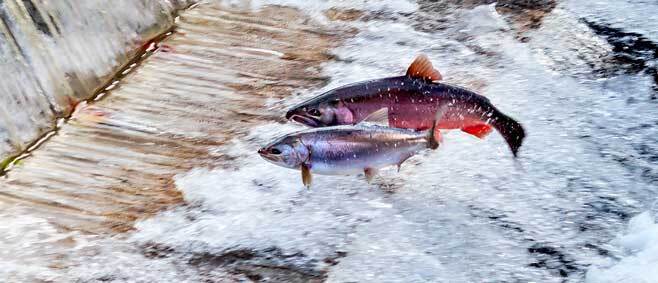
That’s the real beauty and promise of online education. Students don’t need to leave their day jobs. There’s so much value in developing those connections and maintaining that real-world experience.
Tommy Sheridan
Grad Cert, P.S.M. in Fisheries and Wildlife Admin
What I liked the most about learning online at Oregon State is the community with the instructors. They treat us like a mentor-and-mentee kind of relationship, where they will coach and guide you.
Meili Gunawan
Ed.M. in Adult and Higher Education
To have the support of my classmates, it was unbelievable. They were there from the beginning to the end. The best advice I can share is get support from your classmates.
Aime Alvarado
M.P.H. in Public Health Practice
NASA is constantly trying to get the best and the brightest, which is why I got my master’s to remain competitive with my peers. My confidence has definitely gone up. I’ve learned a lot of skills I can put to use now.
Amanda Kniepkamp
M.Eng. in Engineering Management
That’s the real beauty and promise of online education. Students don’t need to leave their day jobs. There’s so much value in developing those connections and maintaining that real-world experience.
Tommy Sheridan
Grad Cert, P.S.M. in Fisheries and Wildlife Admin
What I liked the most about learning online at Oregon State is the community with the instructors. They treat us like a mentor-and-mentee kind of relationship, where they will coach and guide you.
Meili Gunawan
Ed.M. in Adult and Higher Education
To have the support of my classmates, it was unbelievable. They were there from the beginning to the end. The best advice I can share is get support from your classmates.
Aime Alvarado
M.P.H. in Public Health Practice
Resources to get you started
Calculate tuition costs
Whether you live in Oregon or anywhere else in the world, you’ll pay the same tuition rate online. Use our tuition and fees calculator to create a rough estimate of the total cost of tuition. Calculate tuition and fees »
View the Graduate School admission requirements
As you consider applying to graduate school, it's a good idea to learn about an institution's academic requirements, the application process, deadlines and any documents you'll need. OSU's Graduate School has all the resources to help you plan. Learn the requirements »
Explore certificates and microcredentials
If a full graduate degree isn’t quite what you’re looking for, you can still find an Oregon State program that meets your needs. Choose from dozens of online graduate certificates and microcredentials to add advanced skills in subject areas that align with your interests and professional goals. Discover certificates and microcredentials »
Read 6 tips from a recent grad student
If you're considering applying to graduate school, it's a good idea to seek advice from people who have been there, done that. Check out these six tips from an OSU Ecampus graduate, whose firsthand experience will help you make a decision and get ready to apply. Read the tips »

Contact us directly
Our knowledgeable staff of enrollment services specialists will answer your specific questions about OSU Ecampus online degree programs, courses, the application process and how to get started.
8 a.m.–4 p.m. PT Monday–Friday
Request
information
To ensure that you receive emails from us, please add "ecampus@oregonstate.edu" and these domains to your safe senders list: “@oregonstate.edu,” “@discover.oregonstate.edu” and “@email.oregonstate.edu.”
† All mobile information you share will remain confidential and will never be given to external sources. Any costs associated with receiving a text message are the responsibility of the individual receiving the message. Opting in to this mobile text messaging service from Ecampus is free of charge, however, message and data rates may apply from your wireless carrier.

Top-Ranked
OSU Ecampus
BY THE NUMBERS

Footer
Social Media and Canvas
Copyright 2024 Oregon State University
Privacy Information and Disclaimer
For Faculty
