
Inspire Blog Tag: online learning

Tone and Choice of Words: Why These Matter in Online Teaching and Learning
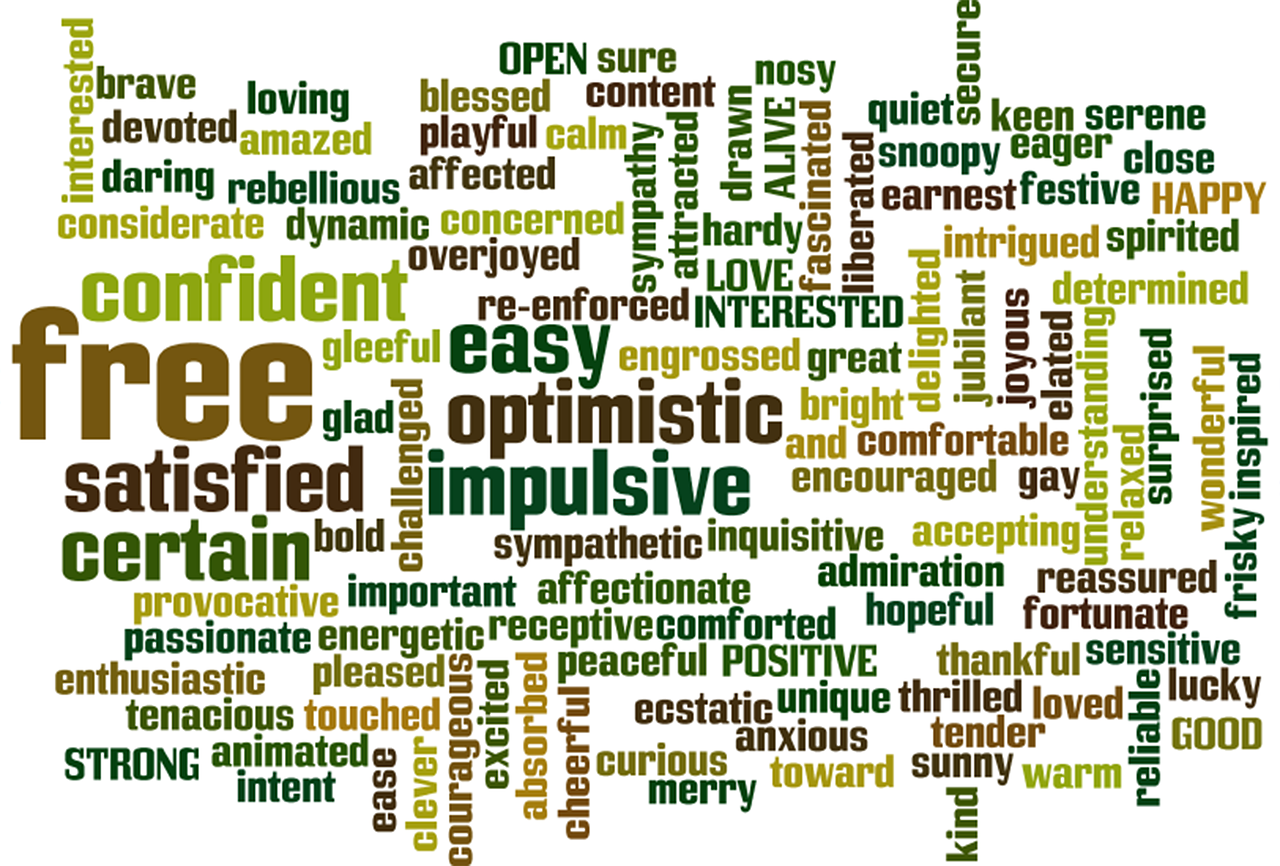
Word cloud with words of encouragement

There is a lay phrase that goes somewhat like this: “it is more important how you say it than what you say”. This phrase relates to the fact that the tone we use to communicate with others matters. Tone might be easier to identify in oral discourse; however, tone might be more nuanced when the communication is in writing. Oral discourse can be characterized by intricate grammar (e.g., long and spread-out clauses), discourse markers (e.g., to indicate pauses or change of ideas), or the use of non-verbal gestures; whereas written discourse has more embedded and complex clauses (e.g., more tightly connected clauses). While there is not an absolute difference between spoken and written discourse (Biber, 1988), communicating in writing might … Tone and Choice of Words: Why These Matter in Online Teaching and Learning

Office Hours: Welcoming our online students to the virtual table

Image of a black chair in an empty room

Have you implemented office hours in your online course, with few students taking advantage of that time to connect? This can often seem like a mystery, when we hear so often from Ecampus students that they desire to build deeper relationships with their instructors. Let’s dive into some of the reasons why online students may be hesitant to attend and identify a few ways we can improve this in our courses.  Who are our learners? To help us address this question, let’s first consider who our learners are. The vast majority of Ecampus students are working adults who complete coursework in the evenings and on weekends, outside of regular business hours. Ecampus learners reside in all 50 states and more … Office Hours: Welcoming our online students to the virtual table

Getting Experiential in Online and Hybrid Learning

The idea that students learn best when they have the opportunity to apply what they are learning to real-world contexts is the basis of Experiential Learning Theory (ELT). Learning by doing is at its core, and as a high-impact practice, there is increasingly more emphasis on experiential learning in higher education. There is plenty of evidence that supports the benefits of this type of learning. It affords students an opportunity to connect knowledge to authentic situations and increases learner autonomy, motivation, and overall satisfaction (Kolb and Kolb, 2018). Many OSU Ecampus Courses feature such experiences. In fact, OSU’s Honors College requires all courses to include experiential learning components, and this is increasingly the case across disciplines at OSU.  What does … Getting Experiential in Online and Hybrid Learning

Five Tips on Improving Readability in Your Courses

The following is a guest blog post from Aimee L. Lomeli Garcia, MLA. Aimee completed an Instructional Design internship with OSU Ecampus during the Fall of 2022. Have you ever found yourself reading the same paragraph over and over again only to not retain any information? Or been so overwhelmed with the content you’re trying to read that you’re unable to absorb any of it? Odds are that it may not just be the content you’re trying to read; it may be the way the information is laid out. One way to help read and retain information is to make the text more readable. Making information readable in your online course can seem overwhelming, but there are a few steps that you … <strong>Five Tips on Improving Readability in Your Courses</strong>

Demonstrating Care: Reach Out & Refer

As a new term begins, we are often thinking about the logistics of our courses, the Syllabus and course schedule, and ensuring everything is working properly. For our students, these early weeks set the tone for what they might expect from their courses and from their instructors. Your first announcement, the language and tone in the Syllabus, how you greet incoming students – these small actions all help to create a welcoming environment for your course. When students feel included in a positive course climate, they are more motivated and engaged in learning. In the weeks ahead, some students will likely reach out to you with concerns or information about major events going on in their lives. Faculty are often … Demonstrating Care: Reach Out & Refer