
Inspire Blog Tag: communication

The Power of an Assignment’s Purpose Statement

Have you ever been assigned a task but found yourself asking: “What’s the point of this task? Why do I need to do this?” Very likely, no one has informed you of the purpose of this task! Well, it likely was because that activity was missing to show a critical element: the purpose. Just like the purpose of a task can be easily left out, in the context of course design, a purpose statement for an assignment is often missing too. Creating a purpose statement for assignments is an activity that I enjoy very much. I encourage instructors and course developers to be intentional about that statement which serves as a declaration of the underlying reasons, directions, and focus of … The Power of an Assignment’s Purpose Statement
You Are Here: The Importance of Course Mapping

As higher-ed professionals involved in course design, we have the honor, privilege, and responsibility of shaping the learning experiences for countless students. Among the many tools at our disposal, course mapping stands out as a fundamental technique that deserves a spotlight. Couse mapping fosters clarity, and showcases alignment between the learning outcomes/objectives and course materials, assessments and activities. In this blog post, we will explore the importance of course mapping in online higher-ed courses, highlighting its role in meeting the new requirements in the recently updated Quality Matters (QM) rubric 7th edition. Join us as we delve into the transformative power of course mapping, benefiting course developers, instructors, instructional designers, and learners alike. The Big-Picture: The updated QM rubric (7th … You Are Here: The Importance of Course Mapping

Tone and Choice of Words: Why These Matter in Online Teaching and Learning

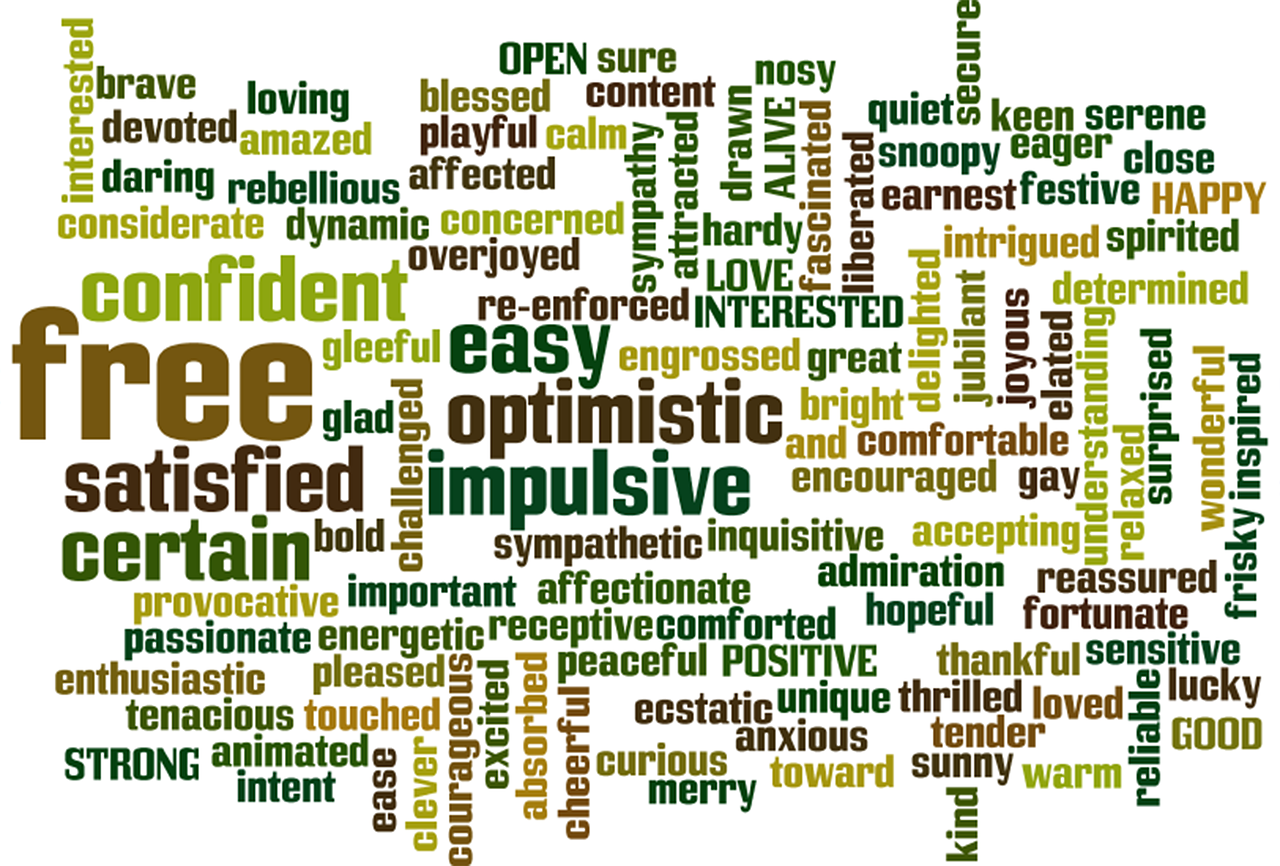
Word cloud with words of encouragement

There is a lay phrase that goes somewhat like this: “it is more important how you say it than what you say”. This phrase relates to the fact that the tone we use to communicate with others matters. Tone might be easier to identify in oral discourse; however, tone might be more nuanced when the communication is in writing. Oral discourse can be characterized by intricate grammar (e.g., long and spread-out clauses), discourse markers (e.g., to indicate pauses or change of ideas), or the use of non-verbal gestures; whereas written discourse has more embedded and complex clauses (e.g., more tightly connected clauses). While there is not an absolute difference between spoken and written discourse (Biber, 1988), communicating in writing might … Tone and Choice of Words: Why These Matter in Online Teaching and Learning

Best Practices for Announcements in Canvas

Announcements are among the most basic yet effective ways to communicate with students, whether in person or online. In our Ecampus asynchronous online courses, announcements are often the primary way instructors pass on important information to students and can be a formidable tool for fostering instructor presence. They can be used to welcome and orient students, summarize and reiterate key concepts, and remind students about upcoming assignments, projects, and exams. Some instructors send out weekly announcements that reflect on the prior week and provide general feedback on student performance, while others only use announcements for course related logistics such as schedule changes or instructor unavailability. No matter how you use announcements, the following suggestions can help ensure you are leveraging … Best Practices for Announcements in Canvas

Office Hours: Welcoming our online students to the virtual table

Image of a black chair in an empty room

Have you implemented office hours in your online course, with few students taking advantage of that time to connect? This can often seem like a mystery, when we hear so often from Ecampus students that they desire to build deeper relationships with their instructors. Let’s dive into some of the reasons why online students may be hesitant to attend and identify a few ways we can improve this in our courses.  Who are our learners? To help us address this question, let’s first consider who our learners are. The vast majority of Ecampus students are working adults who complete coursework in the evenings and on weekends, outside of regular business hours. Ecampus learners reside in all 50 states and more … Office Hours: Welcoming our online students to the virtual table