
Inspire Blog Tag: ecampus

An Inclusive Time-Saver: “The Token Tracker” Brings Structure to Flexible Assignment Policies
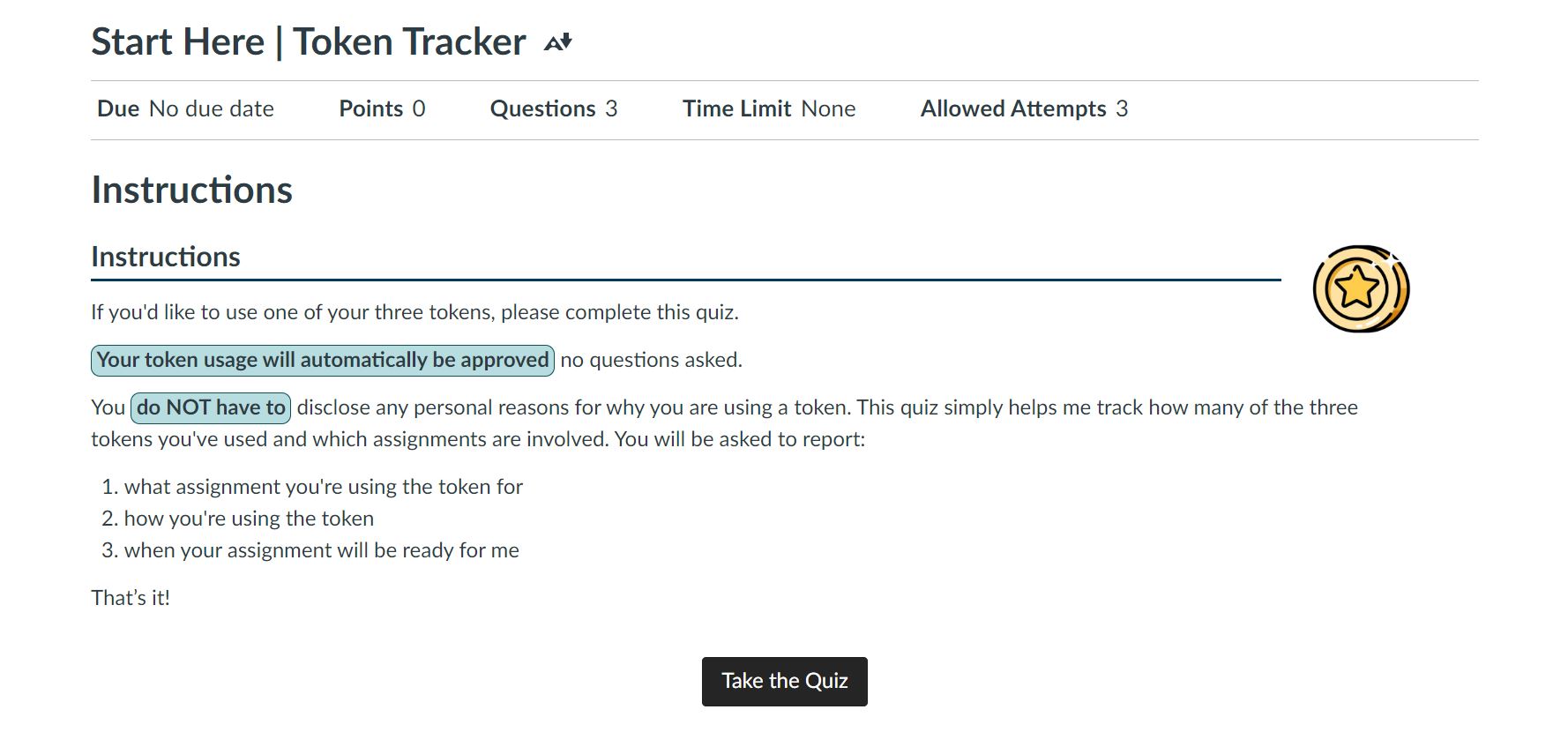
track late assignments with a simple Canvas quiz

This fall and winter I worked with two instructors from very different disciplines to achieve a common goal – making their courses inclusive through a flexible assignment policy. Both courses gave students opportunities to recover without penalty from what would otherwise be a setback – a late, missed, or low-scoring assignment. Flexible assignment policies aren’t new, but instructors are now extending grace to students without the requirement to ask in advance, provide an excuse, or share official documentation, such as a doctor’s note. Our collective pandemic experience has revealed the inequity of having the instructor adjudicate the validity of the excuse, as well as the impracticality of producing documentation on demand. (Can you readily access a doctor when you’re too … An Inclusive Time-Saver: “The Token Tracker” Brings Structure to Flexible Assignment Policies
Creating Effective Learning Environments: Lessons from UX Design

As educators and instructional designers, one of our tasks is to create online learning environments that students can comfortably use to complete their course activities effectively. These platforms need to be designed in such a way as to minimize extraneous cognitive load and maximize generative processing: that is, making sure that the learners’ efforts are spent on understanding and applying the instructional material and not on figuring out how to use the website or app. Research and practice in User Experience (UX) design – more specifically, usability – can give us insights that we can apply to improve our course page design and organization. Getting Started: General Recommendations Steve Krug, in his classic book Don’t Make Me Think: A Common … Creating Effective Learning Environments: Lessons from UX Design

Spring Cleaning for Your Courses:  Sometimes Less is More

How can we reclaim our online learning spaces and make them more inviting and functional? How can we help learners open all the proverbial doors and operate fully within the learning environment? You guessed it: While our first instinct might be to add more to the course, the answer might lie in the other direction.

Online Writing Support & Resources

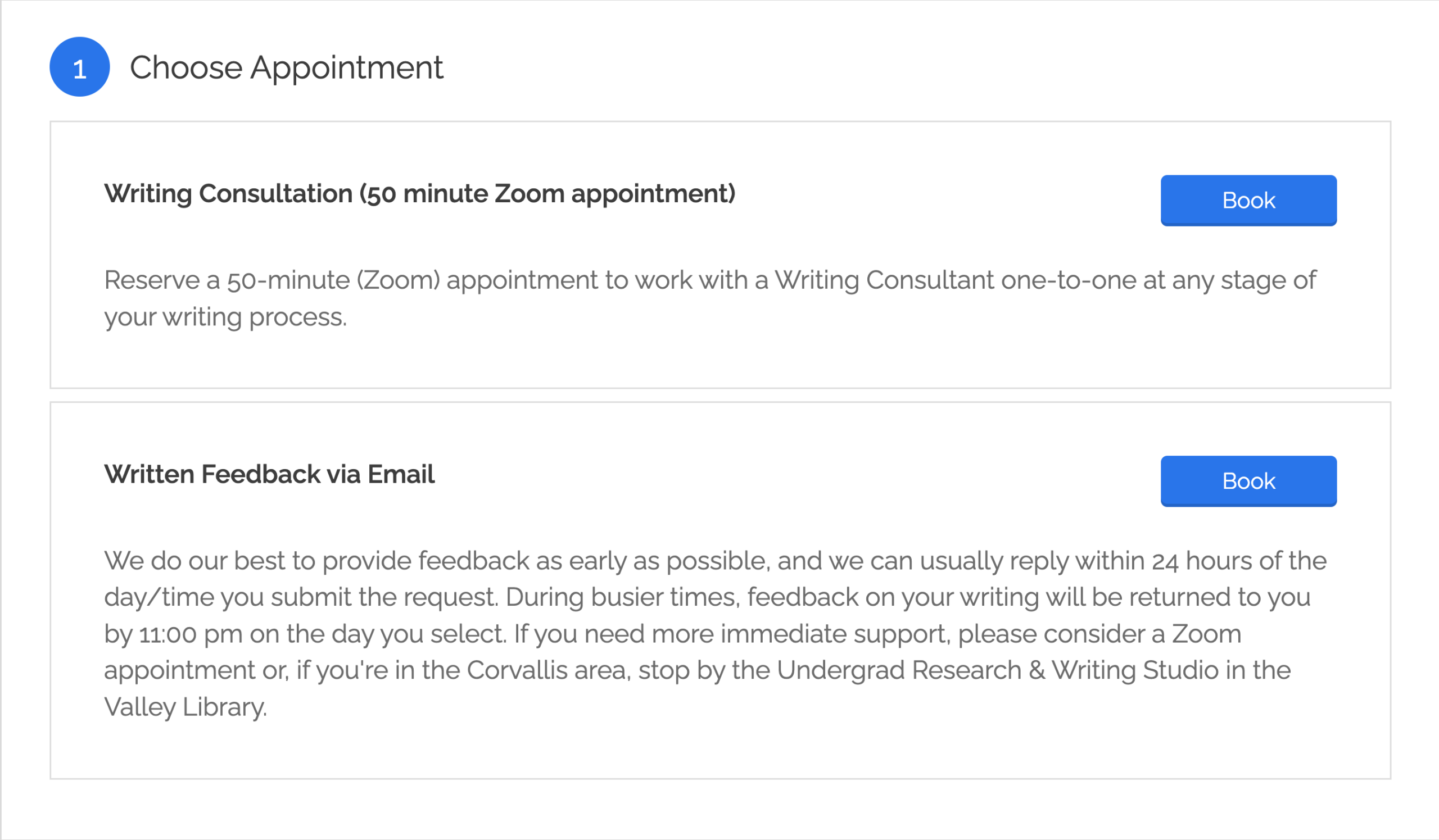
Online writing support center appointment options. 50 minute Zoom or written feedback via email

Ecampus students have access to a number of online resources to support their academic success at OSU. Receiving guidance and feedback on their writing assignments can be helpful across courses, throughout their planning and revision process. In this post, we will share more information about the current writing resources available to students, no matter where they are located, along with resources for faculty. OSU Writing Center The OSU Writing Center supports any type of writing project, during any stage of the writing process. Instructors can share this resource with students, or even integrate the writing center’s support as a step to receive guidance and feedback from a consultant in coordination with a class assignment. Online Writing Support (OWS) According to … Online Writing Support & Resources

Imagineering, Improvisation, and Instructional Design

In the 1980s, The Walt Disney Company rebranded its Disney Parks engineers as “imagineers,” and I think “instructional imagineering” would be a great rebranding of instructional design (if not for the copyright issue) because I often feel that the work I do is closer to engineering than design. Instructional designers are problem-solvers, but the work we do is not just problem-solving. It’s creative problem-solving, with each new project having new and specific challenges that often need a little imagination to solve–and a little improvisation. The history of the pedagogy of improvisation is traced back to the work of two women, Neva Boyd and Viola Spolin, working in Chicago in the 20s and 30s. Boyd was a sociologist doing social work … Imagineering, Improvisation, and Instructional Design