Inspire Blog Category: Teaching

An Inclusive Time-Saver: “The Token Tracker” Brings Structure to Flexible Assignment Policies

track late assignments with a simple Canvas quiz

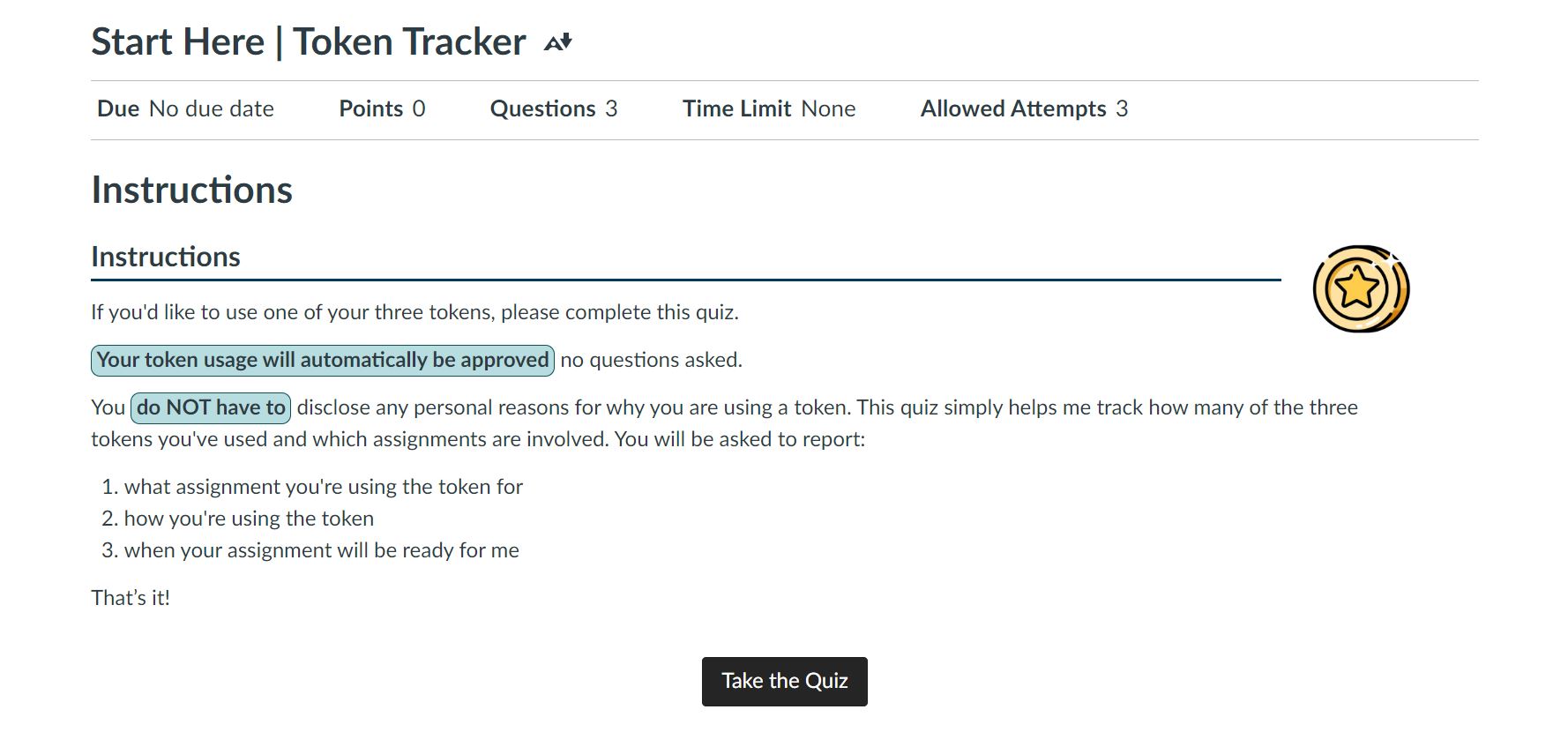
This fall and winter I worked with two instructors from very different disciplines to achieve a common goal – making their courses inclusive through a flexible assignment policy. Both courses gave students opportunities to recover without penalty from what would otherwise be a setback – a late, missed, or low-scoring assignment. Flexible assignment policies aren’t new, but instructors are now extending grace to students without the requirement to ask in advance, provide an excuse, or share official documentation, such as a doctor’s note. Our collective pandemic experience has revealed the inequity of having the instructor adjudicate the validity of the excuse, as well as the impracticality of producing documentation on demand. (Can you readily access a doctor when you’re too … An Inclusive Time-Saver: “The Token Tracker” Brings Structure to Flexible Assignment Policies

Tone and Choice of Words: Why These Matter in Online Teaching and Learning

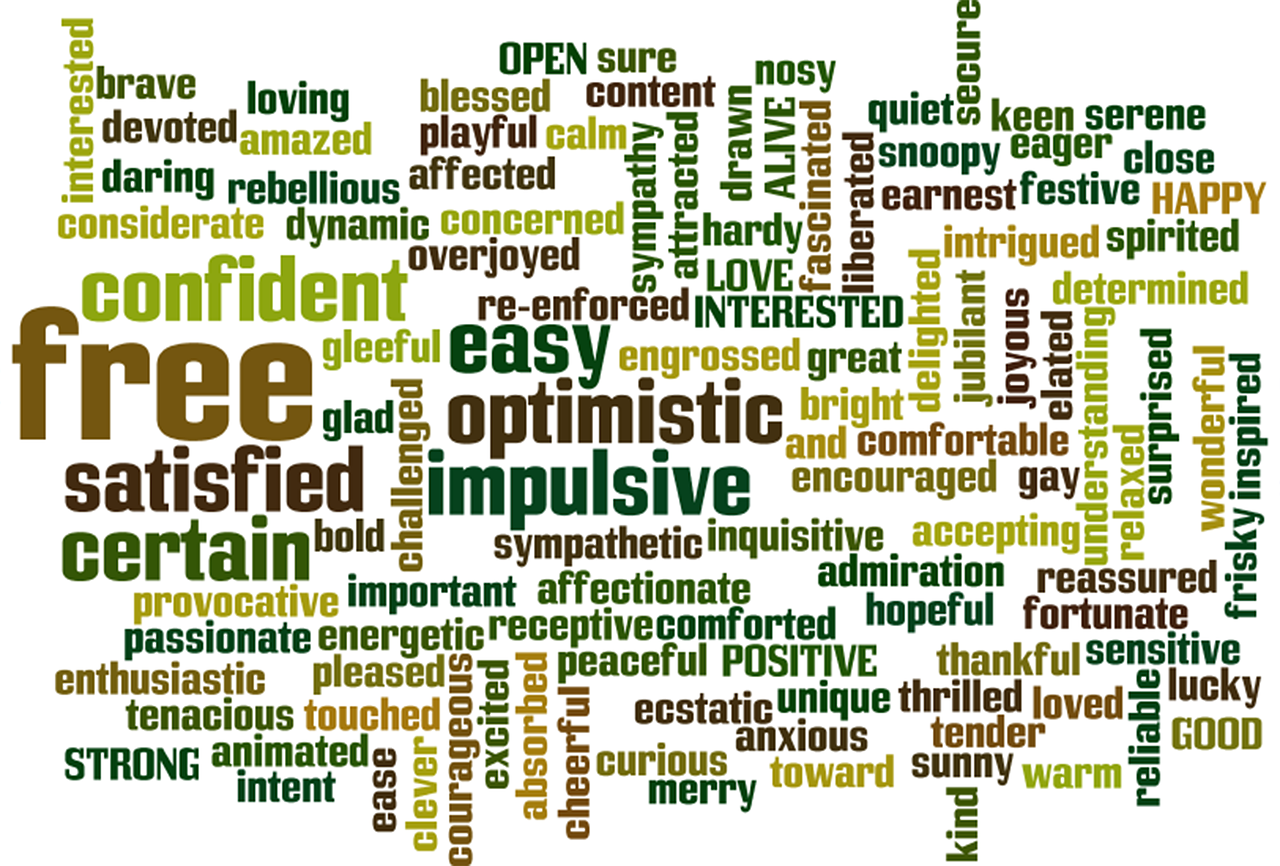
Word cloud with words of encouragement

There is a lay phrase that goes somewhat like this: “it is more important how you say it than what you say”. This phrase relates to the fact that the tone we use to communicate with others matters. Tone might be easier to identify in oral discourse; however, tone might be more nuanced when the communication is in writing. Oral discourse can be characterized by intricate grammar (e.g., long and spread-out clauses), discourse markers (e.g., to indicate pauses or change of ideas), or the use of non-verbal gestures; whereas written discourse has more embedded and complex clauses (e.g., more tightly connected clauses). While there is not an absolute difference between spoken and written discourse (Biber, 1988), communicating in writing might … Tone and Choice of Words: Why These Matter in Online Teaching and Learning

Best Practices for Announcements in Canvas

Announcements are among the most basic yet effective ways to communicate with students, whether in person or online. In our Ecampus asynchronous online courses, announcements are often the primary way instructors pass on important information to students and can be a formidable tool for fostering instructor presence. They can be used to welcome and orient students, summarize and reiterate key concepts, and remind students about upcoming assignments, projects, and exams. Some instructors send out weekly announcements that reflect on the prior week and provide general feedback on student performance, while others only use announcements for course related logistics such as schedule changes or instructor unavailability. No matter how you use announcements, the following suggestions can help ensure you are leveraging … Best Practices for Announcements in Canvas

Office Hours: Welcoming our online students to the virtual table

Image of a black chair in an empty room

Have you implemented office hours in your online course, with few students taking advantage of that time to connect? This can often seem like a mystery, when we hear so often from Ecampus students that they desire to build deeper relationships with their instructors. Let’s dive into some of the reasons why online students may be hesitant to attend and identify a few ways we can improve this in our courses.  Who are our learners? To help us address this question, let’s first consider who our learners are. The vast majority of Ecampus students are working adults who complete coursework in the evenings and on weekends, outside of regular business hours. Ecampus learners reside in all 50 states and more … Office Hours: Welcoming our online students to the virtual table

Learning Outcomes: Do Students Even Read Them?

Learning outcomes (LOs) are used in instructional design to describe the skills and knowledge that students should have at the end of a course or learning unit, and to design assessments and activities that support these goals. It is widely agreed that specific, measurable outcomes are essential for planning instruction; however, some educators question the benefits of explicitly presenting them to students. I have been asked (and wondered myself): “What is the point of listing learning outcomes in the course?” “How do they help learning? “Do students even read them?” So, I went on a quest for research that attempted to answer such questions. I was particularly interested in unit/module-level outcomes, as those are the ones that directly steer the … Learning Outcomes: Do Students Even Read Them?